


-

Add: HeBei ShengShi HongBang Cellulose Technology CO.,LTD.
-

Email
13180486930@163.com -

CONTACT US
+86 13180486930
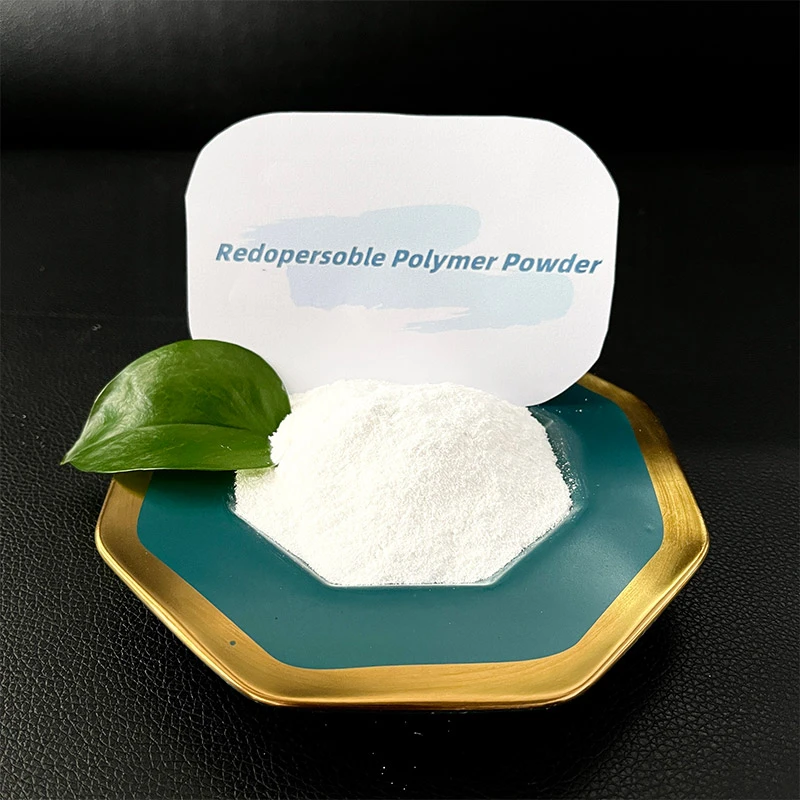
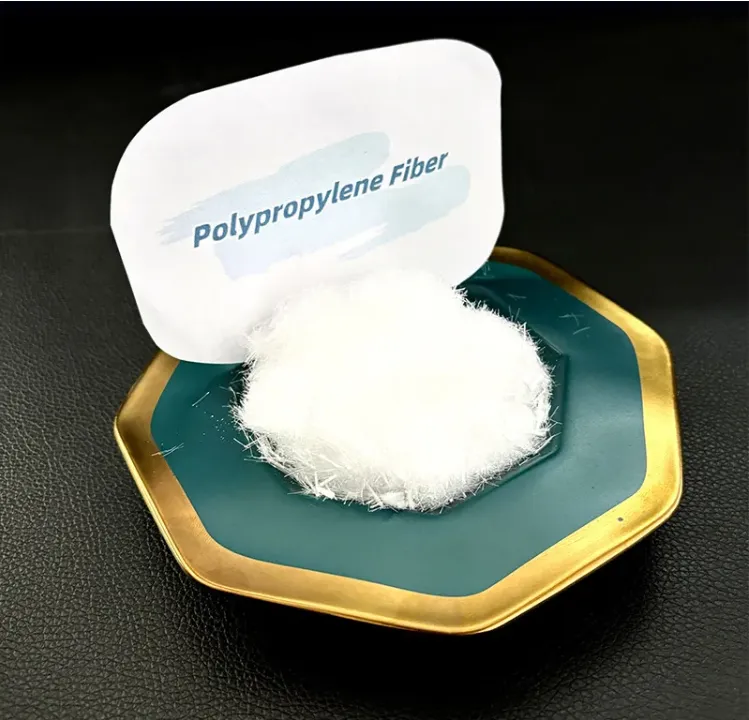



Le Polypropylène Un Acteur Clé dans l'Industrie des Matériaux Le polypropylène, un polymère thermoplastique issu de la polymérisation du propylène, est devenu un matériau incontournable dans diverses industries. Il est largement utilisé en raison de sa polyvalence, de sa légèreté, et de sa résistance aux produits chimiques. Son utilisation s'étend des emballages aux textiles, en passant par les composants automobiles et les biens de consommation. Propriétés du Polypropylène Le polypropylène se distingue par plusieurs propriétés qui en font un choix privilégié pour de nombreuses applications. Tout d'abord, ce matériau est exceptionnellement résistant à la chaleur, ce qui le rend adapté à des environnements où d'autres plastiques pourraient fondre ou se déformer. De plus, il présente une excellente résistance aux chocs, une durabilité qui lui permet de résister à un usage intensif, et il est également imperméable à l'eau, ce qui le rend utile pour les produits ayant des besoins de résistance à l'humidité. Une autre caractéristique remarquable du polypropylène est sa légèreté. Cela permet de réduire le poids des produits finaux, ce qui est particulièrement avantageux dans l'industrie automobile où chaque kilogramme économisé peut améliorer l'efficacité énergétique des véhicules. Enfin, le polypropylène est recyclable, ce qui est essentiel dans une époque où la durabilité et la réduction des déchets sont des préoccupations majeures. Applications du Polypropylène produsen serat polipropilen Les applications du polypropylène sont vastes et variées. Dans le secteur de l'emballage, par exemple, il est utilisé pour fabriquer des films d'emballage, des containers et des bouteilles en plastique. Sa résistance à l'humidité et aux produits chimiques le rend idéal pour les matériaux d'emballage alimentaires, contribuant ainsi à prolonger la durée de conservation des produits. Dans l'industrie textile, le polypropylène est utilisé pour fabriquer des non-tissés, des vêtements, et des tapis. Sa capacité à être teint et à conserver sa forme en fait un choix idéal dans la mode et le design d'intérieur. De plus, dans le secteur automobile, le polypropylène est utilisé pour des pièces intérieures, des panneaux de porte et des composants structuraux, offrant une combinaison de légèreté et de robustesse. Avantages Environnementaux L'un des avantages les plus significatifs du polypropylène est sa recyclabilité. De nombreux pays ont mis en place des systèmes de collecte pour encourager le recyclage des plastiques, y compris le polypropylène. En repensant notre approche de l'utilisation des plastiques, nous pouvons contribuer à la réduction des déchets plastiques dans les décharges. De nombreuses entreprises se tournent vers des matériaux recyclés pour produire de nouveaux produits en polypropylène, favorisant ainsi une économie circulaire. Conclusion En somme, le polypropylène représente un matériau essentiel dans le monde moderne. Sa combinaison unique de propriétés, sa légèreté, sa résistance et sa recyclabilité en font un choix idéal pour une multitude d'applications. Alors que le monde continue de se concentrer sur la durabilité et l'innovation, le polypropylène est bien positionné pour jouer un rôle de leader dans le développement de solutions matérielles durables et efficaces. L'avenir du polypropylène semble prometteur, tant pour les producteurs que pour les consommateurs, dans un monde où les choix de matériaux durables sont de plus en plus déterminants.
- 40000tons

Production
- 20+years

Experience
- 5000+㎡

Acreage

-

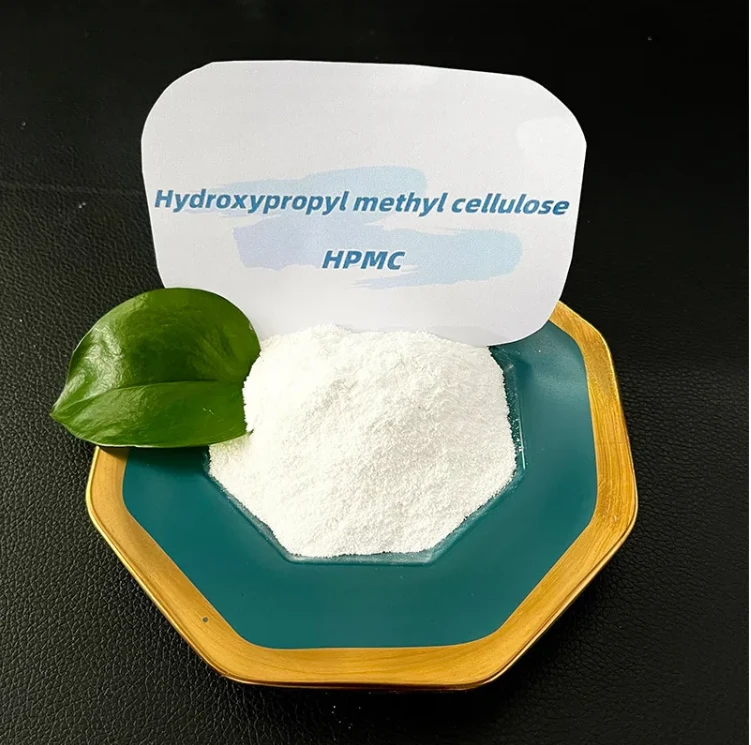
When it comes to managing dry eye diseases, particularly Meibomian Gland Dysfunction (MGD), two types of eye drops have gained significant attention - Retaine MGD and Hydroxypropyl Methylcellulose (HPMC) based lubricants. Understanding the differences, benefits, and appropriate usage of these products can significantly improve patient outcomes and enhance eye health. This comprehensive guide will shed light on Retaine MGD versus HPMC, grounded in both scientific research and real-world experiences, aimed at maximizing the efficacy of each treatment. Retaine MGD is specifically formulated to provide long-lasting relief for dry eyes associated with Meibomian Gland Dysfunction, a prevalent cause of evaporative dry eye. This preservative-free, oil-based lubricant utilizes Novasorb technology, which sustains and stabilizes the tear film by preventing evaporation. Patients often report a soothing experience as it effectively coats the eye surface, providing a barrier against moisture loss. The lipid-based composition is particularly advantageous for MGD sufferers, as it directly addresses the insufficiency of the lipid layer in the tear film, which is a core issue in MGD. In contrast, Hydroxypropyl Methylcellulose products are water-based lubricants available in various viscosities, designed to replicate and enhance the aqueous layer of the tear film. HPMC is praised for its biocompatibility and ability to retain moisture, thereby reducing friction and discomfort. While HPMC does not specifically target lipid layer deficiencies, it serves as an excellent baseline therapy for overall dry eye symptoms and for patients who may not tolerate lipid-based therapies due to preferences or specific ocular conditions. From an expert perspective, choosing between Retaine MGD and HPMC-based drops should be individualized, considering factors such as the severity of MGD, patient lifestyle, and specific symptomatology. Retaine MGD is highly endorsed for patients with explicit evaporative symptoms attributable to MGD, while HPMC can be recommended for aqueous tear deficiency or for patients seeking an immediate soothing effect without the texture of an oil-based drop. retaine mgd vs hpmc Recent studies underscore the importance of tailored therapeutic approaches. Patients participating in a clinical trial reported significant improvements in Comfort and vision stability with Retaine MGD after four weeks compared to those using traditional aqueous lubricants. Conversely, those on HPMC reported immediate relief and ease of use, with less oily residue, indicating its utility in scenarios requiring frequent application. Eyecare professionals emphasize the importance of holistic management strategies beyond choosing the correct lubricant. This involves lifestyle modifications like eyelid hygiene, regular warm compresses to encourage meibum secretion, and adjustments in environmental factors such as humidity. It is crucial for practitioners to deliver clear guidance on these adjunctive measures to enhance patient adherence and satisfaction. In conclusion, both Retaine MGD and HPMC-based lubricants serve distinct roles in the landscape of dry eye management. Their selection should be based on thorough clinical assessment and patient dialogue . Integrating a nuanced understanding of these products into treatment plans promises to elevate patient care and mitigate the challenges posed by dry eye diseases. With ongoing research and user feedback, eyecare practitioners can continue refining their approach to offer the most effective, evidence-based solutions for their patients.
-
Low melt polyester staple fiber is carving out a critical niche across various industries due to its unique attributes and versatile applications. This high-performance fiber is revolutionizing the way manufacturers approach product development, blending exceptional functional properties with environmental benefits. Low melt polyester staple fiber (LMPSF) is engineered to combine superb thermal bonding capabilities with excellent mechanical strength . This fiber differs fundamentally from standard polyester fibers because its melting point allows it to integrate seamlessly into various nonwoven fabrics and textile composites. During manufacturing, these fibers are exposed to temperatures just high enough to melt them slightly, bonding the fibers together without compromising the structural integrity of the surrounding materials. This intrinsic bonding capacity makes LMPSF an ideal choice for industries focusing on sustainability and efficiency. One of the most compelling aspects of LMPSF is its significant contribution to eco-friendly manufacturing processes. As industries gravitate towards sustainable practices, LMPSF provides a solution that minimizes the need for chemical adhesives, thereby reducing airborne pollutants and the associated health risks during production. Additionally, these fibers contribute to energy savings by operating effectively at lower temperatures, decreasing the overall energy consumption of manufacturing systems. These eco-centric advantages make LMPSF an appealing choice for manufacturers committed to reducing their carbon footprint while maintaining product quality and performance. Moreover, LMPSF's versatility extends into a wide array of applications, serving sectors such as automotive, construction, hygiene products, and even fashion. In the automotive industry, for example, these fibers are used to produce lightweight yet durable interior components—enhancing fuel efficiency through weight reduction without sacrificing safety or aesthetic quality. The construction industry benefits from LMPSF through its usage in geotextiles, which provide erosion control and soil stabilization, offering increased longevity and reliability for infrastructure projects. From a technical perspective, the fiber's strong resistance to wear and environmental stressors makes it a preferred choice for high-demand applications. In hygiene product manufacturing, LMPSF is utilized in products like diapers and sanitary napkins, ensuring comfort and safety due to its hypoallergenic properties and non-toxic nature. Furthermore, the fashion industry leverages LMPSF in innovative ways—creating garments that are lightweight, breathable, and resistant to wrinkles, thus enhancing product durability and consumer satisfaction. low melt polyester staple fiber Expertise in handling LMPSF is crucial for manufacturers aiming to maximize its potential. Industry specialists, through rigorous testing and application trials, have established best practices to optimize the fiber's bonding properties and integrate it effectively into existing production lines. The development of sophisticated blending techniques ensures that products maintain a delicate balance between softness and structural integrity, which is pivotal in applications like upholstery and home textiles. In terms of authoritativeness, manufacturers and suppliers with extensive experience and strong track records in LMPSF production stand out. They invest in advanced research and development programs and adherence to stringent quality standards to continually enhance fiber performance. Such commitments to quality and innovation solidify their position as leaders within the industry, instilling confidence among their clients regarding the delivery of reliable and high-quality products. Trustworthiness in the industry is underscored by transparency and compliance with regulatory standards. Reputable suppliers of LMPSF not only comply with international safety and environmental regulations but also engage in voluntary certifications that highlight their dedication to sustainability and product excellence. This level of transparency ensures that clients receive products that are not only effective but ethical, reinforcing long-term business relationships built on trust. In conclusion, low melt polyester staple fiber is not merely a product; it represents a forward-thinking approach to manufacturing that aligns with contemporary demands for efficiency, sustainability, and high performance. By fostering innovation and adhering to the highest standards of quality, LMPSF continues to redefine industry benchmarks and spur significant advancements across multiple sectors, setting a precedent for future developments in fiber technology.
advantages
-

200000 Viscosities
Excellent product
We can produce pure products up to 200,000 viscosities
-

40000 tons
High yield
We don’t stop production all year round, and the annual output can reach 40,000 tons
-

24 hours
Quality service
We provide 24-hours online reception service, welcome to consult at any time
———— Inquiry Form
Schedule A services

- wanga_ether_kwa_ajili_ya_ujenzi
Oct . 25, 2025
Hydroxypropyl Methyl Cellulose (HPMC) has emerged as a versatile material in various industries, off -
 hpmc_ophthalmic_solution_usp
Oct . 25, 2025
Understanding Wood Composition Cellulose, Hemicellulose, and Lignin Wood is a remarkable natural mat -
 modified_starch_price
Oct . 25, 2025
Hydroxypropyl Methylcellulose (HPMC) E6 stands out as an unparalleled option in the field of industr


